Risk vs Reward in Dragonhold
Push one more chest or bank now — how to make greed a decision, not a habit.
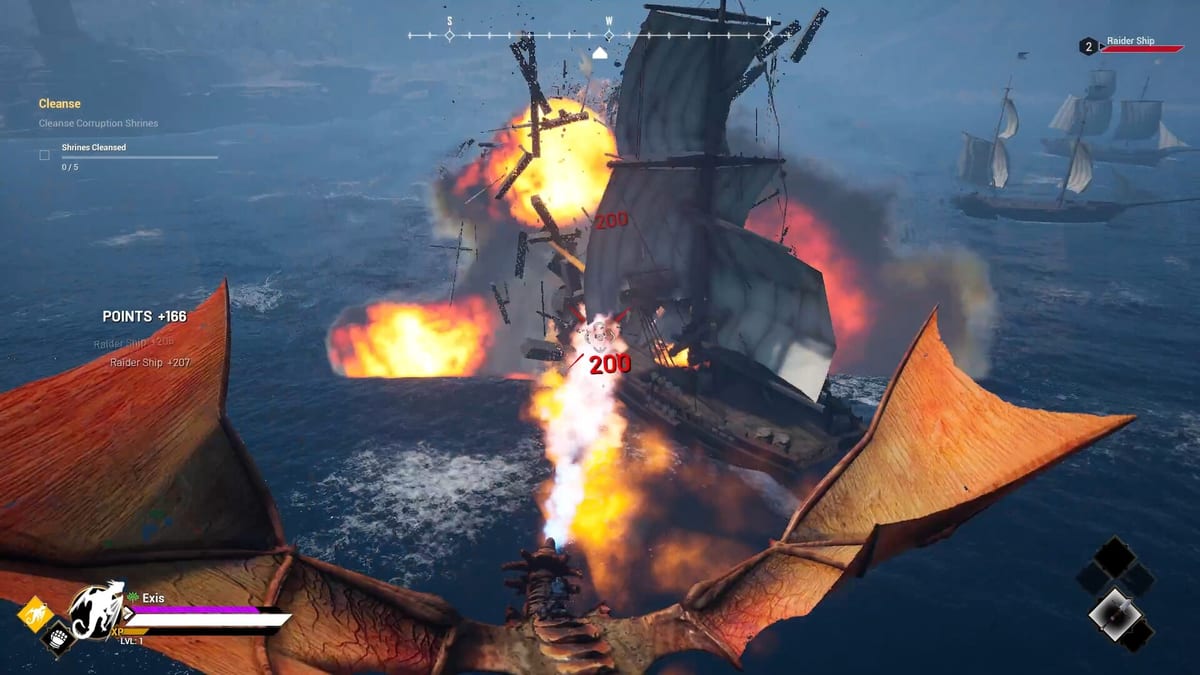
Dragonhold is an extraction ARPG built on a single tension: every minute you stay in Azarkeen after value peaks trades safety for upside. Exis Games pairs Hand of Fate modifiers with an AI Director that escalates pressure when players linger, farm low-threat adds, or loot slowly in hot zones. Risk vs reward is not a philosophy essay — it is the skill of knowing when one more objective beats extract anytime, and when your bag is already the win. This guide gives you frameworks solo riders and co-op parties can reuse every departure without reinventing panic calls mid-fight.
Read Mission Loop for structural phases and How to Extract for concrete exit signals. This page focuses on framing decisions before and during runs.
Define risk and reward in Dragonhold terms
Reward includes:
- Gear upgrades that survive extract per Gear Priority.
- Crafting materials for Town Buildings and Crafting Stations.
- Mission progress toward Anchor Stones (How to Rebuild the Castle).
- Fate-bonus chests or modifiers that expire if you leave early.
Risk includes:
- Inventory loss if you die before secure extract.
- Director spikes — hordes, stampeding packs, surprise elites.
- Resource depletion — potions, dragon stamina, party downs in co-op.
- Time-based Fate escalations from Hand of Fate.
Reward only counts at the hub island. Risk is live until extraction completes.
Pre-run risk budget
Before departing, write a simple contract with yourself or your party:
- Target value — “Two upgrade slots + 30 iron mats” or “Anchor Stone quest step.”
- Hard cap — “Extract after 25 minutes regardless” or “after primary objective unless Fate loot buff.”
- Abort triggers — double potion burn, dragon stamina below half at extract route, two party downs.
Extract Checklist formalizes this for groups. Solo players benefit equally — willpower fails when a purple beam appears.
The marginal chest problem
Most extraction losses come from marginal objectives — side chests, optional elites, distant beams on the Azarkeen map — not from primary mission failure. Evaluate marginal pulls with expected value:
- Time to reach vs extract route safety.
- Director likelihood after recent spikes.
- Inventory space — will pickup force dropping secured mats?
- Fate alignment — reward Fate raises EV; hard Fate lowers it.
If expected value is negative, the mature play is leave. Dragonhold respects banking while ahead.
When pushing is correct
Controlled greed wins when multiple green flags align:
- Fate buffs loot or density you can clear with current Beginner Build or optimized loadout.
- Aerial egress is open — Flight Controls and Dragon Upgrades support fast exit.
- Party roles cover looting and overwatch in co-op (Co-op Guide).
- Next objective is adjacent, not a cross-map detour through unscouted Expedition Zones.
- Castle project needs one specific mat and you are one camp away — not “maybe somewhere.”
Set a stop loss: if the next engagement drops anyone before looting, extract immediately without debate.
When extracting is correct
Bank now when red flags stack:
- Win condition from pre-run budget met.
- Potions or stamina trending down while Director activity trending up.
- Unknown Fate escalation you cannot name.
- Co-op disagreement — extract beats arguing in a hot zone.
- Inventory already holds build-defining relics from Relics — do not gamble uniqueness.
Extracting “early” with a full valuable bag is success, not cowardice.
AI Director as risk multiplier
The Director watches pacing. Lingering, farming trash, or clearing slowly after objectives triggers escalations designed to re-engage players — sometimes brutally. Risk vs reward means moving after value events:
- Loot fast, relocate, avoid camp reuse.
- Extract after major spikes instead of healing in the same arena.
- Split co-op duties so someone always watches aerial threats during sorting.
Treating the Director as random unfairness leads to repeat losses. Treat it as a tax on greed.
Solo vs co-op risk culture
Solo: You are the tiebreaker. Bias extract when uncertain — streak preservation beats one beam.
Co-op: Democracy slows exits. Designate a caller or use vote-with-timer rules. Dedicated Server hosts should not override extract calls without group trust — flaky hosts kill more loot than Fate.
Risk vs reward after failed extracts
Death teaches if you log causes:
- Greed — marginal chest after budget met.
- Fate misread — hard card treated like normal night.
- Skill gap — fix via Ground Combat or How to Beat Bosses, not deeper pushes.
- Build mismatch — undergeared for chosen depth; craft at Crafting instead.
Failed runs still consume time; adjust next night’s budget downward.
Connecting risk decisions to castle growth
Every successful extract funds permanent power — Anchor Stones, town plots, stations. Risk that delivers zero hub progress is vanity. Nights when Fate is hostile are perfect for hub crafting and build planning on the Builds hub, not forced Azarkeen depth.
Quick reference table
| Signal | Lean push | Lean extract |
|---|---|---|
| Fate loot buff + open egress | ✓ | |
| Hard spawn Fate | ✓ | |
| Bag at target value | ✓ | |
| Director spike just ended | ✓ | |
| Adjacent high-value objective | ✓ | |
| Party split / low comms | ✓ | |
| Rare relic secured | ✓ |
Dragonhold risk vs reward mastery feels like calm calls under fire — extract while winning, push only when the math and map agree. Return to the Extraction hub for related mechanics and Wiki for glossary updates as Early Access evolves.
Frequently Asked Questions
Quick answers tied to this page.
When should I push for one more objective in Dragonhold?
When Fate, egress, stamina, and inventory space align — and you set a stop loss. See 'When pushing is correct' above.
Is extracting early with loot a good outcome?
Yes. Reward only counts at the hub. How to Extract treats early banking as success.
How does the AI Director affect risk vs reward?
Lingering and farming trigger escalations that raise risk. Move after loot events or extract after spikes.