Dragonhold Co-op Guide
Ride together, loot fairly, and extract as a team — roles, comms, and wipe avoidance for online parties.
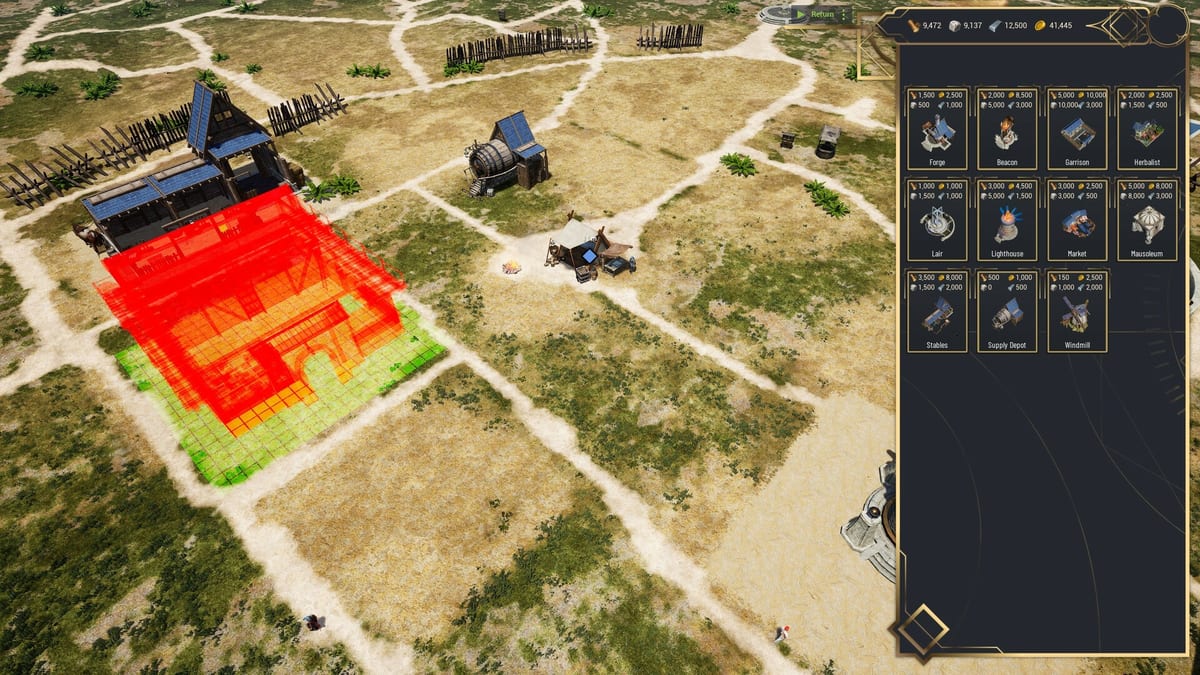
Dragonhold supports online co-op alongside full solo play. Exis Games built the same extraction loop for parties: depart from hub islands, fight in Azarkeen on dragonback and on foot, secure loot, extract back to safety, then spend resources on Dragonhold castle and town progression. Co-op amplifies everything — faster camp clears, safer revive windows, richer loot volume — but also magnifies failure when parties disagree on extract timing or loot splits.
This co-op guide defines practical roles, voice comm habits, and loot etiquette so your group compounds gear instead of friendships. Hosts should pair it with Dedicated Server or How to Host a Server for session stability.
Before you queue — party setup
Match goals — Is tonight Anchor progression, relic chase from Relics, crafting mat farms, or boss progression from How to Beat Bosses? Mixed goals cause silent frustration.
Agree loot rules — Need/greed for relics, round-robin for equal upgrades, role priority for class-specific weapons. Document verbally; Dragonhold has no formal auction house mid-mission.
Confirm tech — NAT issues kill co-op before combat starts. Hosts run Server Port Checklist when friends cannot connect.
Read Hand of Fate together — Fate modifiers at hub departure affect entire party difficulty. Shot-caller summarizes cards so nobody walks into an “insane” run unaware.
Recommended party roles
Dragonhold naturally splits into air and ground responsibilities:
Sky rider (primary aerial)
- Scouts Expedition Zones from altitude.
- Strafes packs with breath weapons per Flight Controls.
- Calls Director spawn warnings when overworld pressure spikes.
- Covers extract beacon approach from aerial threats.
Ground rider (primary dismounted)
- Clears interiors, camps, and boss ground phases via Ground Combat.
- Opens chests and handles revive pickups.
- Leads looting only when zone is declared safe.
Flex rider
- Swaps mount/dismount based on zone archetype — mandatory in ruin-heavy missions.
- Picks up downed allies and guides party to extract paths.
- Secondary shot-caller when host is focused on tech or navigation.
Two-player groups alternate flex duties; four-player groups can double sky or ground depending on mission.
Voice comm vocabulary
Short, repeatable calls beat improvisation:
- “Extract now” — Non-negotiable abort; pack and move.
- “Hold looting” — Director spike incoming.
- “Ground in” / “Mount up” — Phase transitions.
- “Relic secured” — Triggers immediate extract per pre-agreed rules.
- “Anchor objective done” — Shift from greed to exit.
Pair calls with Extract Checklist habits so comms stay consistent run-over-run.
Revive and wipe recovery
Downed riders depend on party positioning. Ground players should not chase distant revives through uncleared elites — wipe cascades start here. Sky riders provide breath cover while flex riders revive.
If wipe rules cost loot, treat death as learning without blame spirals. Solo practice via How to Play Solo helps weaker ground players contribute before high-tier co-op.
Loot throughput without drama
Co-op generates more drops than solo — inventory pressure hits faster. Assign temporary bag priorities:
- Tank upgrades first if upcoming boss checks demand it.
- Shared crafting mats toward next Crafting Stations unlock.
- Relics according to pre-run agreement — never surprise-greed a chase drop.
See Loot Guide for rarity framing.
Co-op and castle progression
Castle growth and Anchor Stones carry across solo and co-op per Steam store messaging. Parties can coordinate who spends hub resources after extract nights — one player placing town buildings while another crafts gear reduces duplicate unlocks if you share long-term plans (optional, not required by game systems).
Scaling difficulty with party size
More riders can trigger faster Director responses or encourage reckless depth pushing. Shot-caller must resist “we have four people” logic when bags are full and potions low. Extraction ARPG co-op wins by leaving alive, not clearing optional camps.
Dedicated server vs peer sessions
Dragonhold offers dedicated server files on Steam plus official/community hosts. Dedicated setups improve persistence for long co-op campaigns — see Dedicated Server for community-reported ports 7777/UDP game and 27015/UDP query. Peer hosting may work for quick nights but fails more often under NAT complexity.
Common co-op failures
- No extract caller — everyone loots until wipe.
- Ground players left behind during dragon relocations.
- Loot rules undefined before relic drops.
- Host skips firewall/port checks — session drops mid-boss.
- Ignoring Fate cards that punish split parties.
Co-op learning path
- Duo easy camp missions with explicit extract calls.
- Add flex role swaps in ruin interiors.
- Boss nights with How to Beat Bosses strats.
- Dedicated server for recurring groups.
Co-op Dragonhold shines when parties ride like a squad, not four solo players sharing a dragon-themed chat room.
Frequently Asked Questions
Quick answers tied to this page.
Is co-op required in Dragonhold?
No. Full progression works solo. Co-op is optional for shared extractions and boss fights.
How many players can join co-op?
Check current Steam store details for party limits during Early Access — capacities can change in patches tracked on Updates.
What loot rules work best?
Pre-agree need/greed or role priority for relics and upgrades. Loot Guide covers fair splits.